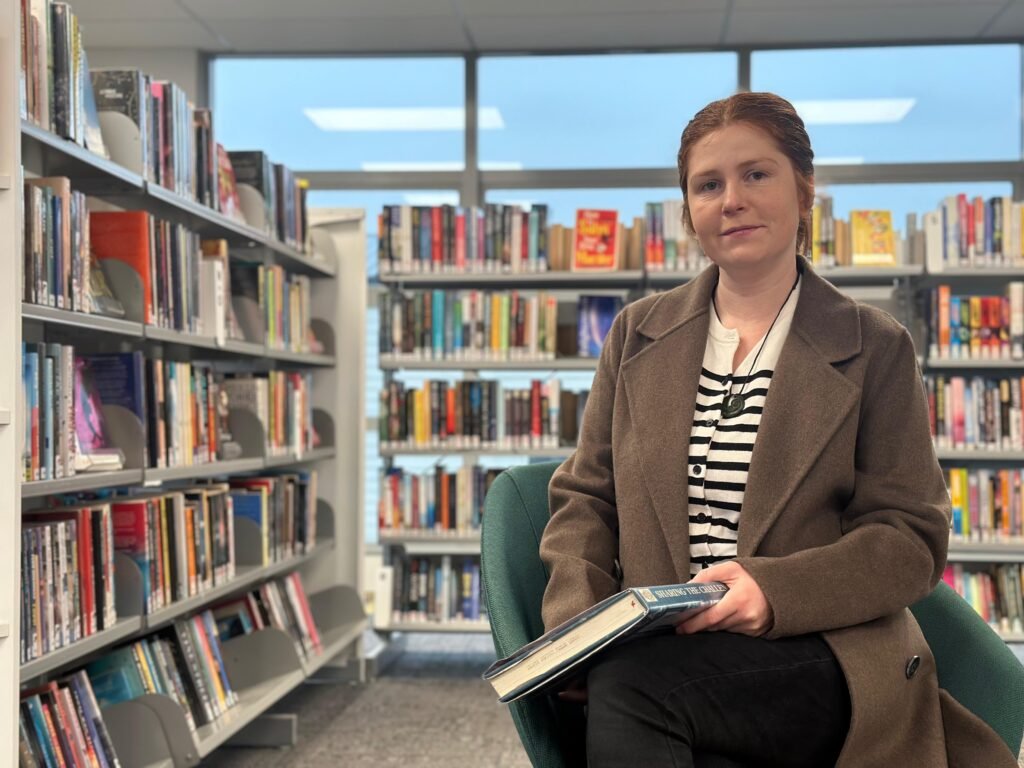
Hannah Verheul-Cane Founder of Legal Literacy
Hannah Verheul-Cane is a registered social worker with over a decade of experience supporting individuals, families, and communities across Aotearoa. Her practice is grounded in ethics, cultural humility, and a strong commitment to empowering others through accessible knowledge.
With a deep understanding of the legal frameworks that shape social services in New Zealand, Hannah founded Legal Literacy to bridge the gap between professional practice and legal clarity. She believes that when practitioners are well-informed, culturally aware, and legally confident, outcomes for clients and communities improve.
Hannah’s approach is shaped by years of frontline experience, postgraduate research, and a passion for demystifying complex legal concepts in ways that are meaningful, practical, and inclusive.
Through Legal Literacy, she offers tailored support, resources, and professional development opportunities designed to strengthen ethical practice and build confidence in navigating the legal dimensions of social work.
History
Legal Literacy for Social Service Professionals emerged in 2023 from a vision to bridge the worlds of social work and law. This vision was shaped by firsthand experience in frontline social work at Te Puawaitanga ki Ōtautahi Trust, where the need for stronger legal understanding for both clients and practitioners became clear.
The journey began well before the formal establishment of Legal Literacy. In 2021, the seeds were planted through the commencement of a part-time PhD, undertaken to cultivate the depth of knowledge required to support this kaupapa. This period of rigorous study and research laid the foundation for what would become the core of Legal Literacy’s work: empowering social service professionals with the legal understanding needed to strengthen practice through culture, clarity and connection.
The PhD remains ongoing, with the dissemination of research findings and the completion of the academic process now a key focus. Through Legal Literacy, these insights will be shared with the sector via professional supervision, tailored education, and training opportunities designed to support legally informed and culturally grounded practice.
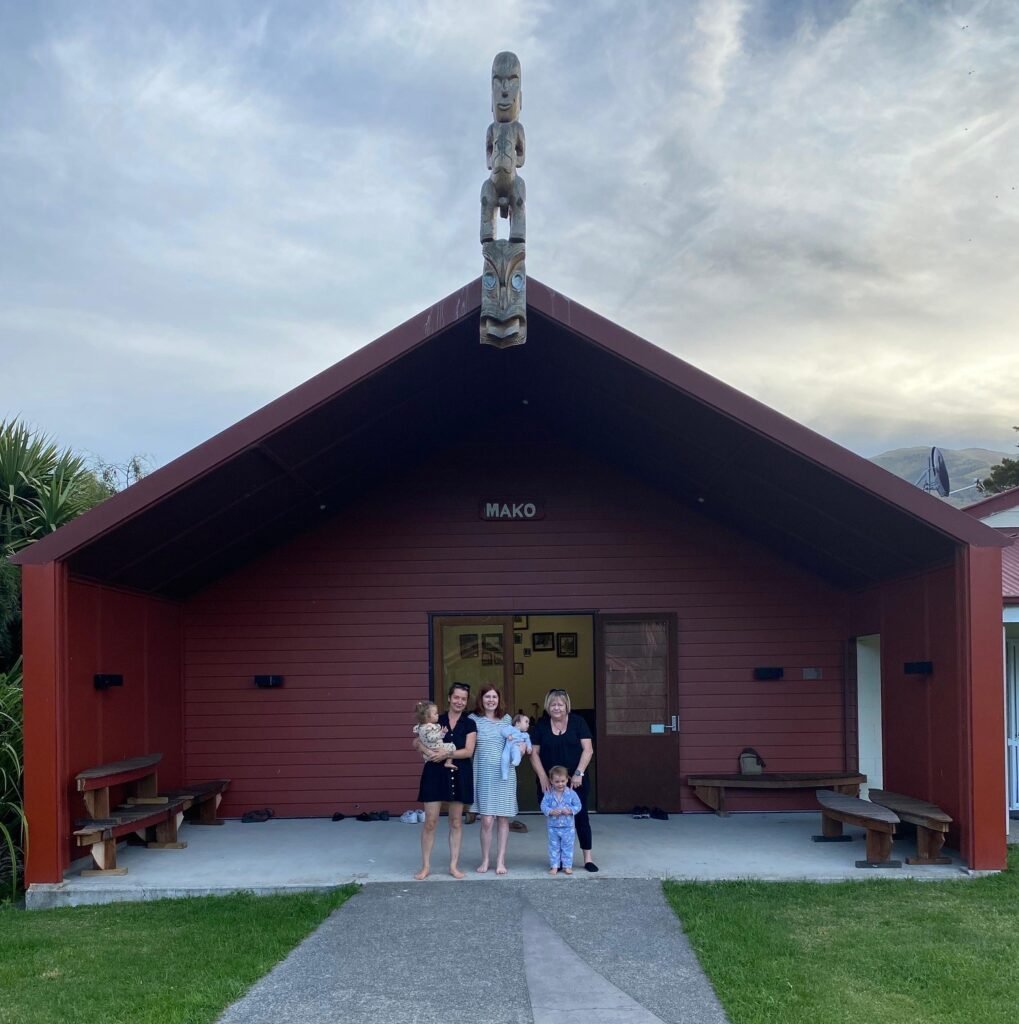
Wairewa tōku Marae
Ko Te Upoko o Tahumatā te maunga
Ko Ōkana te awa
Ko Wairewa te roto
Ko Uruao te waka
Ko Wairewa te marae
Ko Makō te whare tupuna
Ko Te Rōpūake te whare kai
Ko Kāti Irakehu, Kāti Makō ngā hapū
Ko Waitaha, Kāti Māmoe, Kāi Tahu ngā iwi